





[Background]
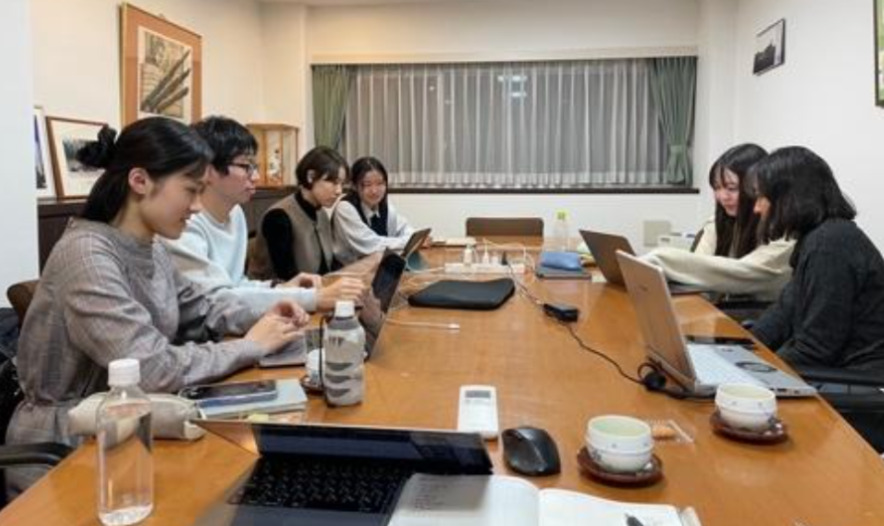
The 2024 KIP Project (hereinafter referred to as the “Project”) was launched based on the recognition that young people interested in social issues lack constructive and accessible opportunities to discuss politics. With the aim of proposing solutions to this problem, we began by engaging in “debate” ourselves to explore potential pathways toward improvement.
[Method]
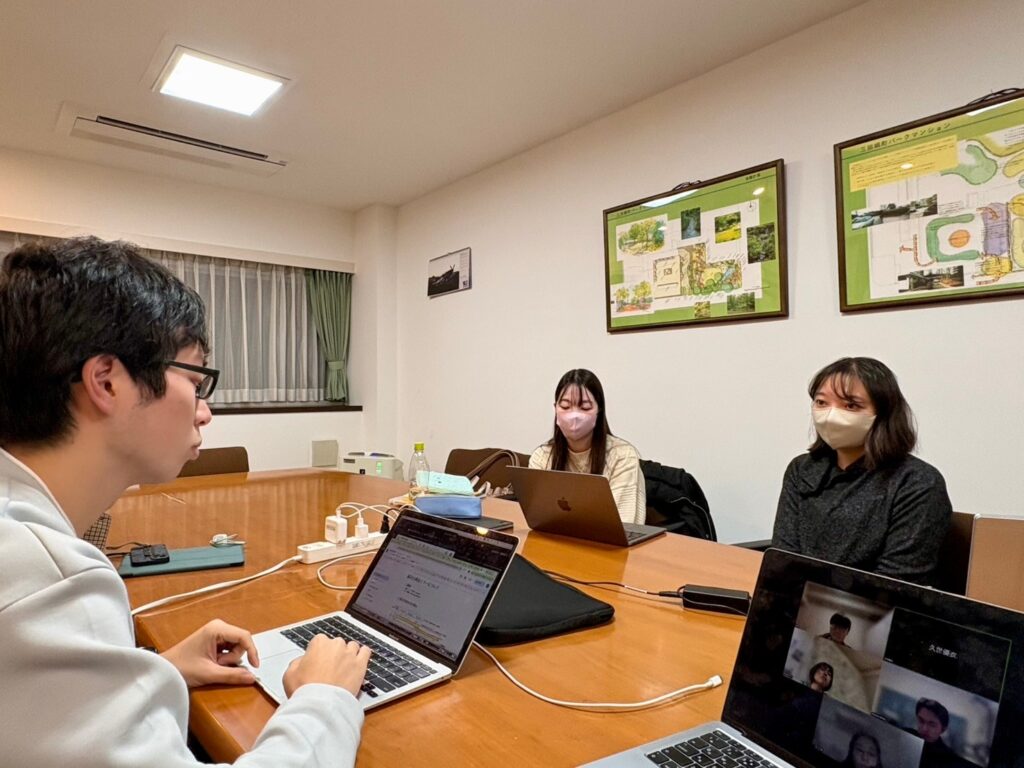
Each Project member selected a political theme and organized a debate session. The themes consisted of five areas: elections, legislators, public finance, media, and education, arranged so that each topic would connect to the next. To ensure active participation from all members, the proposer of each theme served as the facilitator. The debates were held twice a month, during which members not only discussed the topics but also reflected on the debate process, shared effective and problematic aspects of discussion methods, and reviewed what they had learned. Through these activities, we sought insights into why political discussions are uncommon and how these barriers might be reduced.
[Findings]
After eight debate sessions, the following insights and lessons were voiced by Project members:
- Increased interest in politics and recognition of the importance of thinking critically
Some members shared that although they had previously felt discouraged about politics, researching and debating topics such as party discipline and the direct election of the Prime Minister gave them a sense of hope that even partial institutional changes could lead to improvement. Others noted that engaging in debate helped them recognize what they “did not know,” increasing their motivation to learn more. - Psychological barriers to discussing politics may be easier to overcome than expected
Members commented that “even when disagreements arose, discussions proceeded with a more neutral tone than expected,” and that “although I previously feared being judged by others, those anxieties diminished through experience.” - Political discussions require not only knowledge but also skill in facilitating dialogue
Because political issues are large in scope and may involve sensitive points of disagreement, learning how to respect differing opinions and maintain a comfortable and well-paced conversation becomes essential for building environments where political dialogue can occur.
Across all eight sessions, many participants reported feeling less resistance toward discussing politics, and several noted that they now engage in political conversations more frequently with friends and family. We gained confidence that incorporating political topics casually into daily life does not have to be difficult.
[Proposals]
Based on the initial recognition that young people lack spaces to discuss social issues and politics, we explored methods for lowering psychological barriers by debating ourselves. Drawing upon our experiences, we propose two types of solutions to encourage more active political dialogue among young people:
- Designing new spaces that facilitate political discussion, and
- Offering practical mindsets and strategies for enabling political conversations within existing communities
1. Proposals for Creating New Spaces for Political Discussion
- Target participants are individuals interested in social issues and politics; extensive political knowledge is not required.
- Participants prepare beforehand, and the session begins with a review of basic information, clarification of positions (for/against), and confirmation of each participant’s perspective before discussion.
- To ensure psychological safety for those unfamiliar with political debate, discussions should be conducted in small groups of approximately six participants. After group-level exchange, time is allocated for sharing key points with the entire group.
Expected outcomes include:
- Developing personal opinions through repeated participation,
- Recognizing the connections between politics and social issues,
- Gaining awareness that politics can be an effective tool for solving societal problems, and
- Increasing individual interest in political participation.
2. Strategies for Encouraging Political Dialogue Within Existing Communities
Common psychological barriers include uncertainty about how to communicate and fear of conflict. To reduce these barriers, preparation and shared ground rules are necessary. By establishing these conditions and gradually introducing topics, political conversations can become more accessible.
Preparatory Steps
- Regularly gather information from news sources.
- Prepare strategies for pausing or redirecting the conversation when knowledge gaps or emotional tension arise.
- Assess how comfortable the conversation partner is with political topics.
Ground Rules
- Differences in political values do not constitute personal attacks.
- Changing one’s opinion during discussion is not negative.
- Sharing knowledge and encountering differing perspectives deepens understanding and enhances judgment and critical thinking.
- As citizens of a democratic society, engaging in political dialogue is necessary.
Suggested Types of Topics
- Begin with issues that are closely connected to everyday life rather than highly technical or ideological subjects.
[Conclusion]
Whether in formally organized discussion spaces or in daily life, increasing opportunities for young people to speak about politics can foster interest not only in social issues but also in politics as a means of addressing them. By sharing knowledge and opinions, individuals can refine their perspectives and improve their judgment as voters. Encouraging greater youth engagement may ultimately prompt political actors to listen more attentively to the voices of younger generations. This constitutes the solution we propose in this study.
We hope that these insights contribute to the first step toward realizing such a society.
戻る