


Characteristics
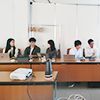
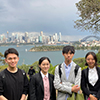
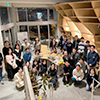
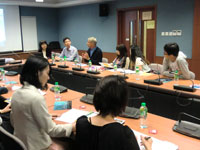
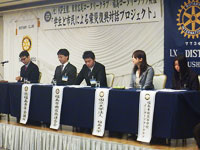
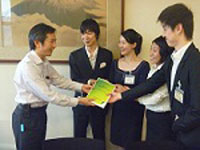
This is a research activity based on teamwork. Members who share a common social concern are assigned in this program to work together and propose solutions within a set period (approximately 10 months). At the end of the term, the team presents their findings and submits a written report.
A distinctive feature of the program is that students can develop teamwork skills while engaging in a series of research processes essential in the professional world: setting goals, planning and scheduling, managing progress, and proposing solutions. Through this activity, each member has the opportunity to exercise leadership as well as learn necessary techniques in teambuilding, thereby gaining practical skills directly applicable to real-world situations.
Themes
Themes are selected based on the project team members’ awareness of social issues, focusing on topics that can be researched from the perspectives of young people. Rather than choosing topics out of simple interests, participants are encouraged to select their research theme with answers to questions like “Why is this issue worth addressing?” and “What kind of value would a solution to this issue bring to society?”
Format and Frequency
Project team members proceed with their research through teamwork-based activities such as sharing the importance of the project theme, conducting surveys with 1,000 respondents, interviewing relevant stakeholders, and compiling their research findings.Small groups are made among the team members, and tasks are given to each group.
The frequency of research activities depends on members’ responsibilities, but on average, there are two official project meetings per month where all the project members gather to share updates and coordinate their progress.
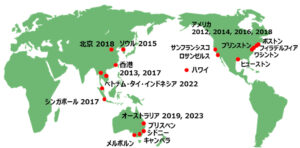
* Map of past overseas regional studies destinations
 he images of the destruction and the news of the 3.11 Disasters have discouraged foreigners from visiting Japan. Yet, in a paradox we cannot escape seeing, the 3.11 Disasters – along with the suffering and humanitarian assistance that followed – have led both Japanese and non-Japanese to become more aware of how interconnected all of us are. KIP feels that a creatively designed program for college students can address many of these issues.
 “Young people these days are inward-looking.” This oft-spoken viewpoint is frequently projected in the media and buttressed with other supposed evidence that Japnaese exchange students in foreign countries are decresasing, freshmen employees willing to work aborad are decreasing, Japnaese students at Harvard are decreasing, and so on. This is seen as a problem because their ability as effective and worldly-wise human resources is percived to be unreliable even though we need the men and women who can servive in the globalized world.In such situation, we decided to analyze wheter “young people’s tendency to be inward-looking” is true or not in this project. The purpose of this project is, therefore, to focus on the essence of this problem, to dicvoer how we can solve it, and to propose what we should od about focusing on “international education”.