





From October 10 to 13, 2025, ten student members conducted a regional study trip in Kushiro City, Hokkaido. The objective was to contemplate “the future of work in 2040″—a scenario likely to be shared by various regional cities across Japan—through the current reality of Kushiro, where the ratio of foreign workers is rising amidst a declining birthrate, aging population, and overall depopulation. During our stay, we held discussions with a wide range of people, including city officials, university students, Ainu people, and technical interns. In particular, it was an invaluable opportunity to directly interview both employers and workers about their daily lives and perspectives during this transition period from the Technical Intern Training Program to the new “Training and Employment” system. These four days were highly meaningful, providing deep insights into the future of industry and labor while experiencing the “realities” of a regional city and its rich natural environment, which are often invisible from metropolitan areas.
【Training Schedule】
・October 10 (Fri): Visit to Kushiro City Hall; Courtesy call on Mayor Tsuruma.
・October 11 (Sat): Sightseeing in Kushiro Marsh; Discussion with local university students.
・October 12 (Sun): Sightseeing at Lake Akan; Interview with Ainu individuals.
・October 13 (Mon): Visit to Kushiro Tosui Reito Co., Ltd.; Visit to Kushiro-shitsugen Wildlife Center and Kushiro Japanese Crane Reserve.
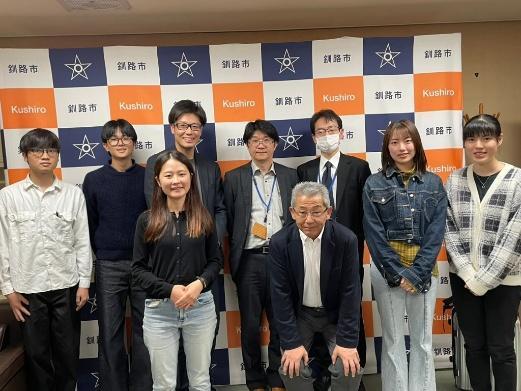
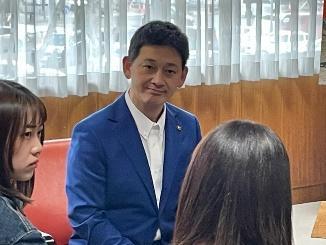
We discussed the challenges of depopulation and foreign employment within the fishing and tourism sectors. While foreign labor is indispensable for seafood processing, the administration’s role is limited to support, leaving practical management to companies. Interestingly, international history (e.g., the Ramsar Convention) has fostered local tolerance. However, a “negative spiral” is emerging: severe youth outflow leads to declining tax revenue, which in turn hinders regional promotion efforts.
Mayor Tsuruma emphasized that accepting foreign workers is a strategic long-term policy for infrastructure and population maintenance, not just a temporary fix for labor shortages. While local understanding is high, challenges in language education and cultural integration remain. He stressed the need for national fiscal support as the city’s tax base shrinks. The session highlighted the importance of creating a city attractive to both foreign talent and the younger generation.
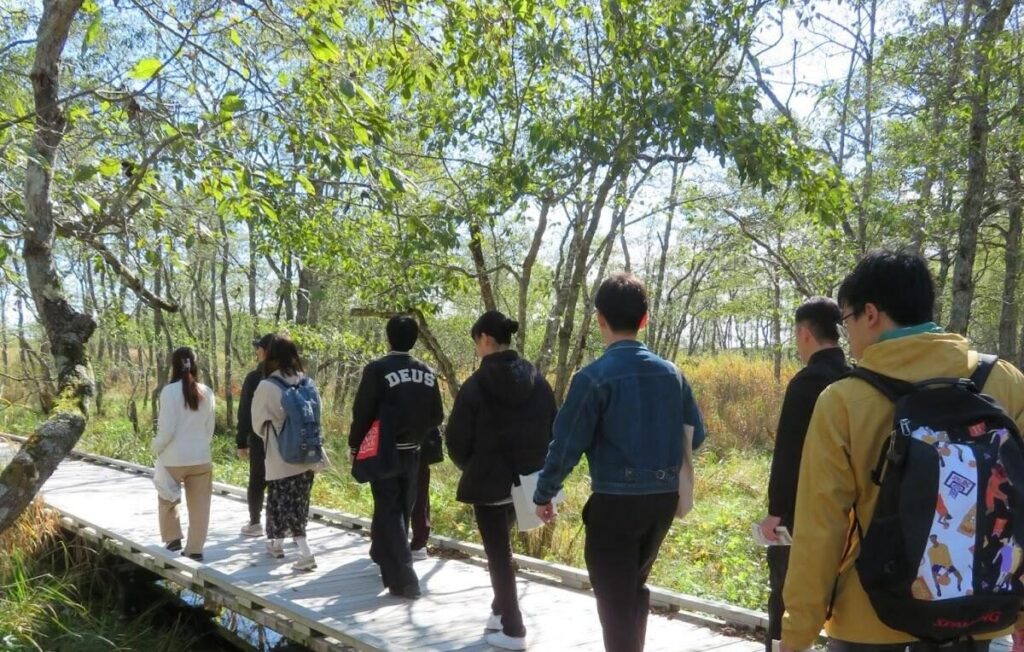
At the Onnenai Visitor Center and its boardwalks, we observed the biodiversity of the marsh, including the red-crowned cranes. We felt the marsh’s value as a significant national asset. Simultaneously, we discussed the “mega-solar” controversy, which symbolizes the conflict between economic activity and environmental protection. It was a profound lesson in balancing renewable energy with forest preservation in a real-world regional context.
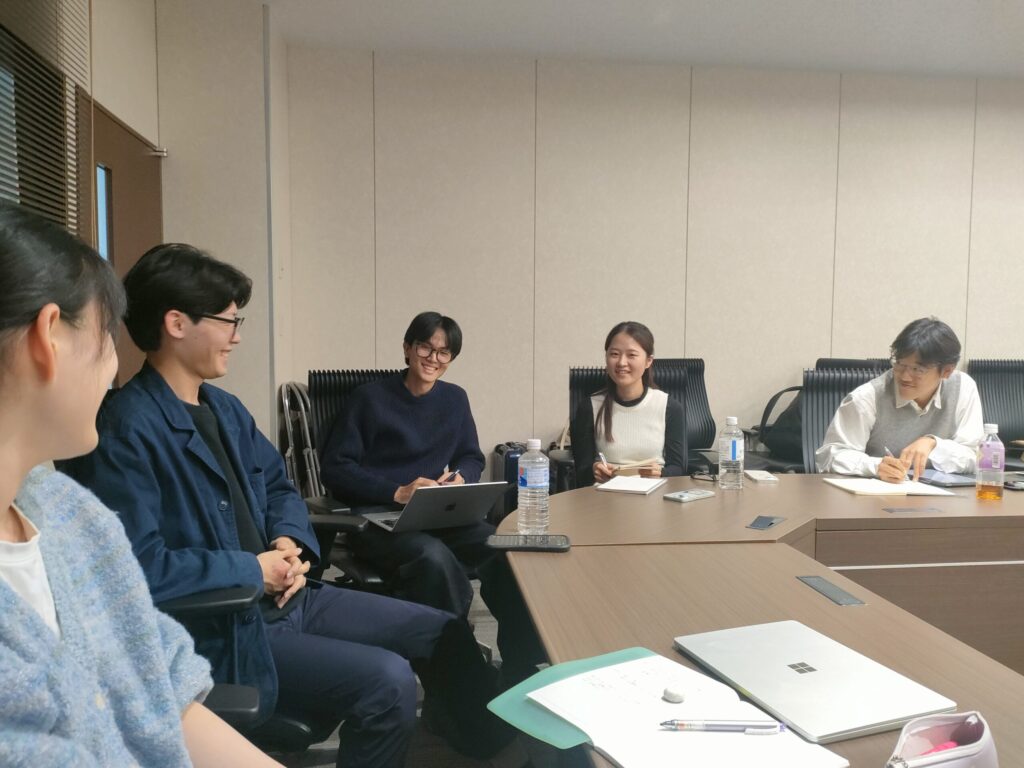
We debated “Education for Technology in 2040,” focusing on how the next generation can cultivate critical thinking and communication skills alongside AI. One group proposed emphasizing intergenerational exchange, while another argued for early IT education combined with hands-on problem-solving. We concluded that beyond mastering technology itself, the human capacity to manage and apply it ethically is the true goal of future education.
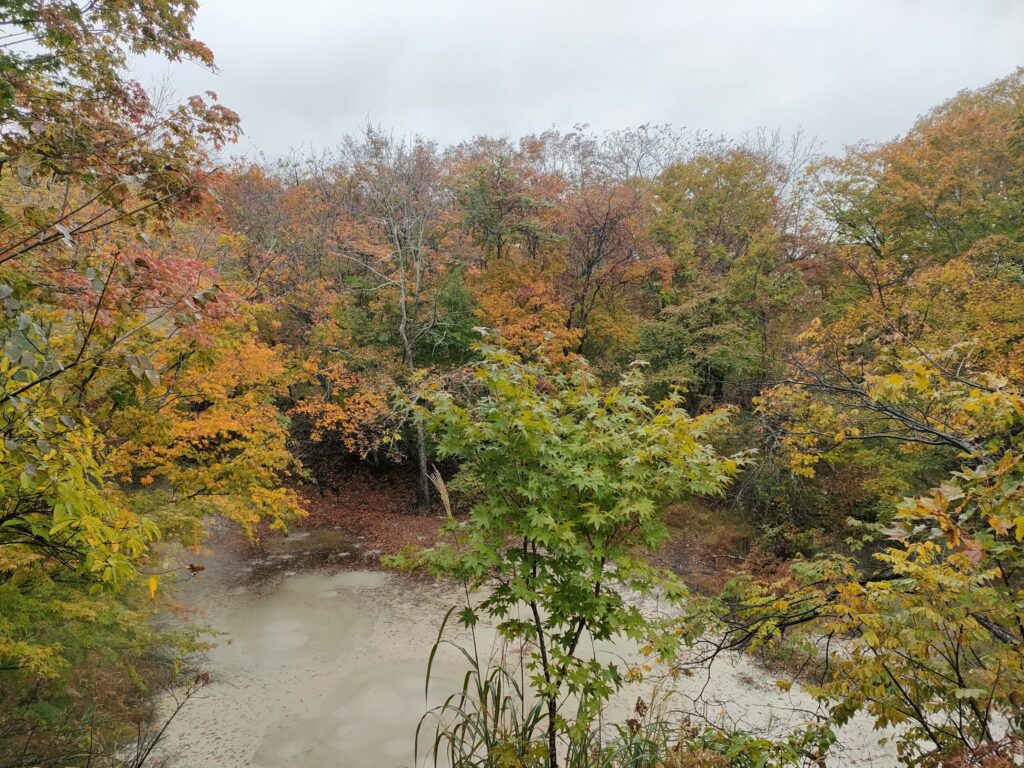
As traditional industries like coal and paper decline, Kushiro is pivoting to tourism as its future economic pillar. The focus is now on “Adventure Travel” for Western markets and aggressive inbound attraction. Being designated as a national model for tourism, the city urgently needs to develop English-speaking guides. We learned that inbound tourism is a vital survival strategy, requiring unique regional branding to sustain the community.

At the Akan Ainu Craft Center, we heard powerful stories about cultural heritage and the weight of history. While the balance between bloodline and cultural identity remains complex, there is a shared call for stronger educational support. The “Cultural Leave” proposal—allowing practitioners to take leave for traditional festivals—was particularly innovative. This exchange prompted deep reflection on a society where diverse cultural pride is protected in the workplace.
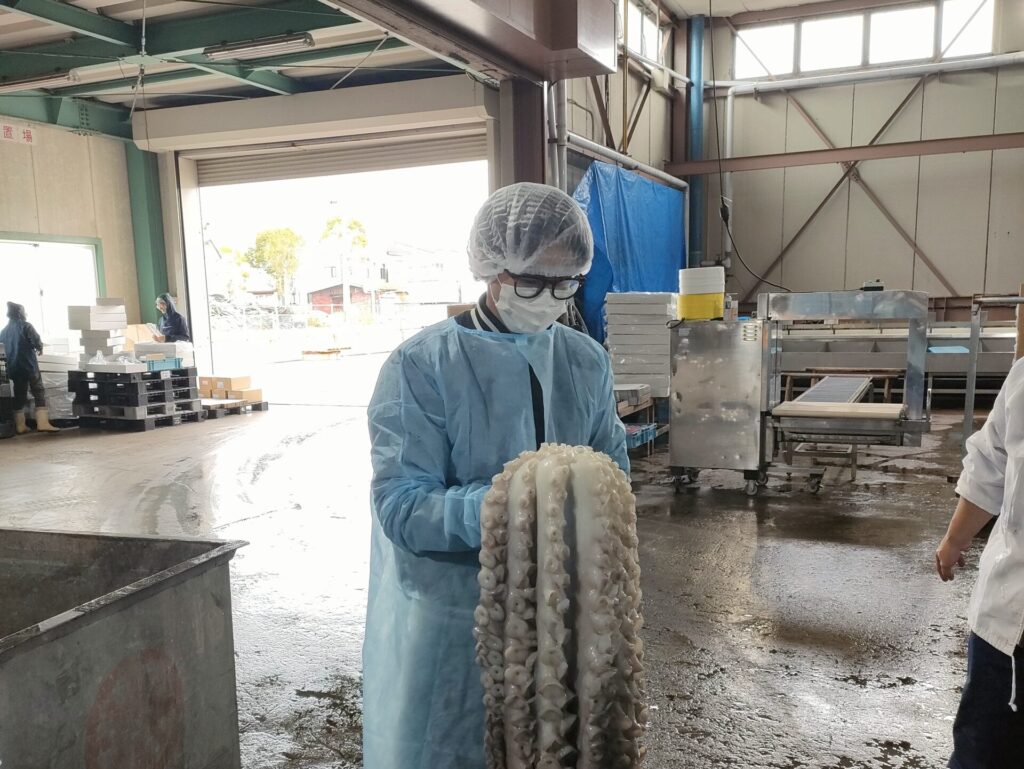
We observed salmon processing, a complex task that remains highly dependent on manual skill. The company hosts 11 foreign workers with a zero-absconding rate, thanks to robust lifestyle support. However, management expressed deep concern over the new system’s one-year transfer rule, fearing the loss of trained talent. This visit highlighted how policy changes impact stakeholders differently and reaffirmed that foreign workers are essential partners in regional industry.
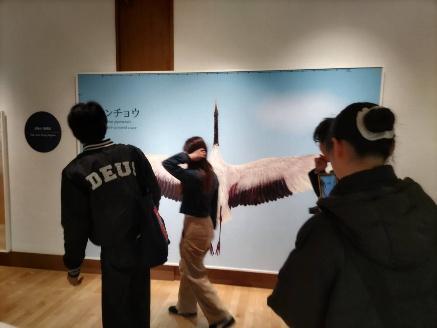
The recovery of the red-crowned crane, once nearly extinct, demonstrates that local initiative is key to ecosystem restoration. Conservation efforts have become a source of regional pride and identity, proving that protecting nature is essential for community sustainability. The sight of cranes in the vast marsh symbolized how environmental protection and regional revitalization can, and must, go hand in hand.
This four-day training reaffirmed the immense value of “hearing voices” on the ground. The dedication of foreign interns offers hope for Japan’s future, while the persistent outflow of local students remains a stark structural challenge. Approaching these issues from administrative, educational, and labor perspectives has provided us with a roadmap for Japan’s future. We are deeply grateful to the people of Kushiro for this invaluable learning experience.