



About KIP
Since the launch in January 2008, Knowledge Investment Programs, “KIP,” have been holding monthly discussions to consider social issues as “our own concerns” and find their solutions under our philosophy of changing ourselves from “international individuals without understanding of Japanese roots” to “international individuals with a deep understanding of Japanese roots.”
During the activities with support and guidance of many professionals, including speakers, directors, and alumni members, KIP members can also learn “manners” and “courtesy”, which make this place similar to a dojo or terakoya (temple school in the Edo period).
With nearly 20 years of accumulated activities, KIP is becoming a network (NEST: Network for Exchange, Study, and Thought) that helps young people grow, step out into society, and connect with the next generation.
1. Characteristics
- Always consider social issues as “our own concerns” and discuss In KIP discussions, we value thinking about social issues as our own concerns (“if I were involved in this issue, what can I do?”). We believe that the true value lies in imagination, empathy, and the ability to take action, rather than ending in theoretical speculations.
- Minute feedback and self-growth through the membership system
KIP’s small group activities offer opportunities to learn stories from specialists in various fields that are not available elsewhere. Moreover, consistent participation provides members with occasions for personal growth through immediate and detailed feedback from working professionals, both during and after sessions. - A modern-day “terakoya*” where participants from diverse backgrounds and generations learn together KIP activities involve not only students but also experienced professionals and alumni members (KIP-graduated professionals) who have been involved since its founding in January 2008. Through discussions with participants of all ages, genders, diverse backgrounds (universities and origins), and varying generations, an attitude of understanding and absorbing differing opinions can be cultivated, leading members to greater breadth and depth in our own perspectives.
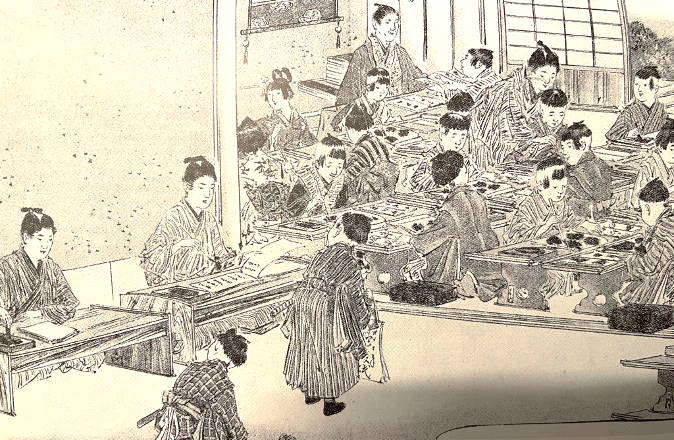
2. Mission: "NEST"- A network of "growth" and "circulation"
At KIP, we have consistently practiced “development” by encouraging each other to learn, think, and engage in repeated discussions on social issues as our own concerns. Through this process, we have not only learned discussion techniques and communication skills but also cultivated manners and courtesy as respectable individuals.
Through this practice, sustained for approximately 20 years, many members have stepped out into society and achieved career success in various fields. Now, a “circulation” (NEST: Network for Exchange, Study, and Thought) is beginning to form, where alumni members return and engage in discussions with younger members as speakers.

3. Vision: Developing the "fundamental strength of intellectual power" for the AI era
In an age where AI accelerates speed and efficiency, we value the depth of thought.
The more “speed” and “efficiency” are required, the more important it becomes to take the time to think deeply and continue to have dialogue, an approach that KIP has long valued.
With the spirit of “Keep it at your Pace,” we will boldly “go against the flow” of the world’s time efficiency trend.

4. Value (Core Values and Guiding Principles)
- “Respect for others” and “Gratitude” Through practical experience in daily activities, we can learn the manners needed in society, as well as skills to “motivate” and “involve” others while cooperating with others.
- “Keep it at your Pace”・“Haste makes waste”
We value not only the “conclusion” but also the “process and reasoning,” read “books” rather than relying on “AI summaries,” and engage in “dialogue” rather than “self-centeredness,” slowly taking the time to deepen our thinking.

5. KIP's 3 Rules
At KIP, we have the following three rules to help members develop important human habits and courtesy throughout their lives, such as “respect for others” and “gratitude.”
- Quick Response of Attendance Members are required to respond immediately to confirm attendance at every activity. As the saying goes, “Trust takes time to build and takes less than a second to lose.” Responding immediately is the first step in building trust with others.
- No Cancellation without Notice Once you have confirmed your participation, absence without notice is prohibited unless there is a special reason.
- Quick Submission of Report on the Activity Through the series of actions of the “input-output-writing” routine, we believe that we will internalize what you have learned in the discussion. The output after the discussion is not only a way to show gratitude to the instructor, but also helps deepen the ability to organize our own thoughts.