


February 2022 "The Future of Japan seen through the Manufacturing Industry: What is the Liberal Arts required for Human Resources in Science?"
【Speech and Q&A】
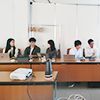
This forum was held online. First, Mr. Machida gave an overview of Japan’s manufacturing industry. The premise is that Japan’s GDP has been stagnant for the last 30 years, and that Japan’s ability to develop new products and services has weakened compared to other countries. As for the state of the manufacturing industry in Japan, the country is lagging in DX in the area of providing services to users, and its presence in the area of medium-priced, high-quality production from R&D of materials to manufacturing of products, which used to be one of Japan’s strengths, has become less significant as China has begun to manufacture products at low prices and high quality. Today, the know-how of researchers is dominant only in research and development in the field of materials, but the day is not far off when this advantage will be lost with the advancement of efficiency through materials informatics and AI tools. Today, where business processes have changed drastically due to digitization, there is a need to rebuild data-based systems that can maximize customer value. Technological innovation is needed in every process, and it is important to have management that deepen existing businesses and explore new businesses in parallel. In addition, now that the importance of the circular economy and carbon neutrality is being called for, it is necessary to promote business from a big-picture perspective, and even science-related personnel are required to have cross-disciplinary skills in addition to their specialized skills.
On the other hand, the current situation of science-related human resources in Japan is that the number of engineering graduates is on a downward trend, with about 10,000 fewer graduates in 2021 than in 1990. The percentage of those graduates who go on to work in the manufacturing industry is also declining, and the manufacturing industry is always in a shortage of human resources in science. In addition, the number of advanced science human resources is decreasing in Japan compared to the increasing number of doctoral degree holders in developed countries. In addition to the fact that the total amount of IT human resources in demand these days is smaller than in the U.S., IT human resources are distributed only in IT companies, making it difficult for manufacturers and other companies to promote digitalization. In other words, each company needs to collaborate with vendors to promote digitalization, and this has led to a delay in the shift to DX in Japan. In addition, the number of female researchers in the sciences is on the rise in Japan, but it is lower than in other developed countries.
In terms of fostering human resources in the sciences, the Super Science High School (SSH) has increased the number of people studying the sciences. In recent years, there has been a movement to promote cross-disciplinary learning such as STEM education, but the question of “who teaches what and how” has become an issue. In addition to the current shortage of human resources with specialized knowledge in the sciences, there is an urgent need to educate people with a broad and deep knowledge from a long-term perspective.
【Group discussion and ground discussion】
The theme of this discussion was “Whether the human resources in science should develop first, their liberal arts education or technical skills?” Those who argued that people should develop the liberal arts first argued that learning a wide range of subjects when you are young will broaden your horizons and give you more options for later life, and that acquiring liberal arts as a common language will give you the communication skills to cooperate with people in other fields when you become an engineer. On the other hand, those who said that technology should be developed first said that by mastering one technology as one’s weapon, it would be possible to transfer that learning to other fields, and that it would be better to polish one’s expertise while one is still a student, when one has more time, and then polish one’s liberal arts later as a way of recurrent education. In addition, there was an opinion that education and technology interact with each other and should be studied in two wheels, and the issue was raised that if too much emphasis is placed on practical studies, important studies that are not immediately useful at first glance may be neglected.
【Presonal Impression】
As I am a science student myself, I found this forum very meaningful as I learned about the importance of developing the technology and liberal arts education that will be required in Japanese society in the future. For Japanese industry to regain its competitiveness, I reaffirmed the need to maintain an attitude of learning from a broad perspective regardless of what kind of fields people are engaged in.
(Riki Bando, Graduate School at The University of Tokyo, Master 2nd year)
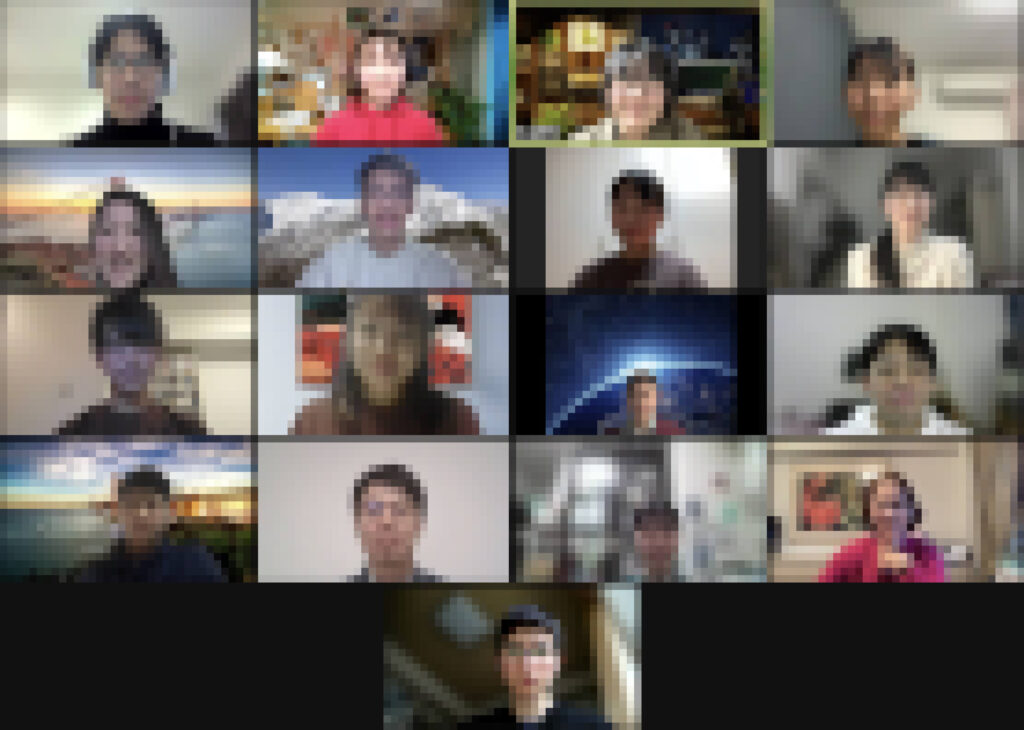
Mr. Yuta Machida
After graduating from Tokyo University of Science in 2014, Mr. Machida joined Seiko Epson Corporation, where he was engaged in the technological development of wearable devices in the Research and Development Division. He then moved to an auto parts manufacturer in 2017, where he is currently working in the Digital Solutions Division, developing sensors and peripheral systems for tire digitization, and planning and promoting the company’s DX (Digital Transformation).
January 2022 "Business development of Japanese companies in Asia and how they work"
【Speech and Q&A】
First, we heard an overview of Southeast Asia and an overview of Thailand. Southeast Asia is currently experiencing remarkable growth as the world’s growth center, with Thailand’s growth rate in particular growing by about 15 times between 1980 and 2020. As a result, industrial supply from Southeast Asia to the rest of the world is attracting attention. She also explained her knowledge of “comparative advantage theory” and the “middle-income trap” in thinking about this growth in Southeast Asia.
We also heard about her company, a comprehensive air conditioning manufacturer that is involved in both air conditioning equipment and refrigerants. Unlike general home appliance manufacturers, the company is the one whose air conditioning business accounts for more than 90% of its business. Also, we learned about its strategy in overseas markets, especially in Southeast Asia where air conditioning market is growing in recent years. In particular, I learned that while some of the company’s overseas strategies were based on its sales strategies in Japan, there were some aspects that are not straightforward due to differences in climate and its culture.
In the Q&A session, there were questions based on actual experiences, such as why the air conditioning in hotels and buildings in Southeast Asia is too effective, and questions about the differences between working in Thailand and Japan. In the former question, I learned that in Southeast Asia, air conditioning is often not installed in all facilities, and that keeping the room temperature low is a sign of wealth. I think it interesting because in Japan, people like places where air conditioning is “comfortable” rather than it is too hot or too cool. In terms of working styles in Thailand, the majority of the staff in Ms. Wada’s department are women, and she rarely feel aware of gender in the workplace. I learned that not only about company’s business strategies, but also the changes in her own thinking that she has experienced by working abroad.
【Group discussion and ground discussion】
This discussion was on the theme of “What approach should we take to create new demand for air purifiers and expand sales? In my group, we divided the discussion into urban areas where people are familiar with air purifiers and rural areas where people are not. In urban areas, we thought that we could appeal the usefulness of air purifiers by placing them in places where they would be visible to the public and adding a function to visually show their effectiveness. On the other hand, in rural areas, we thought it was important to familiarize people with the air purifier, so we thought it would be effective to offer a subscription system or a free trial period to encourage people to use it.
【Presonal Impression】
It was a good opportunity for us to hear many fresh and interesting opinions because the format of the discussion this time was a little different from usual, where we had to come up with ideas. In particular, it was difficult to think about how to promote air purifiers from scratch in areas where people are not familiar with them, but thinking strategies considering features and cultural difference was interesting.
(Mirei Nishikawa, Keio University, Economics, 2nd year)
Ms. Nagiko Wada
After graduating from the University of Tokyo’s Graduate School of Public Policy in 2016, she joined Japanese manufacturer of air conditioners. After managing affiliated companies in Asia and Oceania, she was transferred to affiliated factory in Thailand in 2019 under the in-house overseas training program. After completing the training, she will be officially transferred to Thailand in 2021. Currently, she is engaged in business management of the local factory, budget management, and support for affiliated companies in the Asian region.
December 2021 "A Study of Capitalism from the Story of “The Straw Millionaire”: How Money Circulates in Individuals and Society"
【Speech and Q&A】
Mr. Tada introduced some of the thoughts that form the basis of capitalism and the current state of society, using the old tale of “The Straw Millionaire” as an example. He broke it down into three parts, the relationship between religion and capitalism, the overall structure of capitalism, and the value of goods defined by supply and demand. Looking back on the history of differences in capital power between countries of the same religion due to differences in interpretation and the flow of changes in the structure of capitalism over time in response to economic conditions, he stated that a new form of capitalism would be formed while correcting the harmful effects of conventional capitalism.
【Group discussion and ground discussion】
We debated whether to agree or disagree with the salary increase taxation, which is the focus of the tax reform for FY2022. The salary increase taxation is to raise the deduction rate from corporate tax according to the efforts of companies to raise salaries and is a measure to realize the virtuous cycle of growth and distribution.
As a result of the debate, most of the group favored the proposal. Still, there were differences in the conditions, saying that the policy should be implemented with a time limit or in states, verifying its validity and effectiveness. The opposing group pointed out the possibility that only a few large companies would be covered by the revised policy and raised the opinion that the difficulty of lowering salaries could produce disadvantages for companies in the long run. Whether to raise salaries had better to be discussed separately from the question of taxation, with some groups agreeing that employment stability was more important than salary increases.
During the grand discussion, there were discussions on the relationship between salary and people’s level of happiness and the perception of inequality. Some pointed out that the debate on minimum wage should be separated from salary increase taxation. Finally, Mr. Tada mentioned that it is the foundation of democracy to continually ask questions, have discussions, and read books.
【Presonal Impression】
Tax is common in our daily lives. However, we don’t often have the chance to pay attention to the fact that capitalism, which seems to be unfamiliar to students, partially consists of taxes that directly affect our livelihood. The timing of the change in the tax system is an opportunity to objectively deepen our thoughts about how economic policies will respond to social changes in the past, present, and future. Through this forum, I figured out that some issues could be accurately understood only by macroscopically observing the fundation of capitalism. On the other hand, problems that cannot be solved by tax reform alone became apparent during the discussion. I keenly felt that the education, as Mr. Tada mentioned, would help us think about how to approach these challenges. The KIP Forum is an opportunity to face the difficulty of having an opinion on something we have not experienced before and the difficulty of considering things from different perspectives. This time, junior and senior high school students, university students, and working adults were mixed in a discussion. We could think about the state of society through the interaction with people in front of us.
(Itaru Ota, Nara Institute of Science and Technology, Division of Information Science, 1st year of graduate school)
Mr. Tetsuro Tada
After graduating from the University of Tokyo (Faculty of Law) in 2019, he engaged in international relations as a public servant for two years. He is currently dealing with local taxation in Sendai city. He was a member of KIP committee and participated in many study trips while a student. He is still involved in KIP activities as a KIP Alumni.
November 2021 "The Value of the Sky ~the Economic Impacts of Air Flights~"
【Speech and Q&A】
As an introduction, Mr. Lee showed us some international statistics on the number or size of air flights conducted over the world. They were important and insightful in the sense that for many of those who are not so familiar with the aviation industry, the data did not necessarily trace our first assumptions. For example, the annual number of users of one airport is proportional not to the population of the country the airport is located but to its economic size. Haneda International Airport in Japan, therefore, is the fifth largest in the world, with more than 85 million people as users each year (before the pandemic). Ahead of Haneda are Atlanta (the US), Beijing (China), Los Angeles (the US), and Dubai. Another chart showed the number of passengers for certain flight routes. Mr. Lee’s chart showed that most of the popular routes were domestic and has small relevance with economic status, and the reason for their popularity also differs variously. The most popular route is between Seoul and Cheju Island, which carries more than 10 million passengers every year. Most of them are sightseers who lack other means of transportation. Routes between Tokyo-Shin chitose (Hokkaido Prefecture), Tokyo-Fukuoka, Taipei-Shanghai share similar circumstances. Other routes, such as Sydney-Melbourne, Delhi-Mumbai, and Haneda-Itami (Hyogo Prefecture) are not divided by water and therefore can be accessed with railways and expressways, but large and regular demand on business trips makes airplanes a popular alternative.
Next was about the American airspace in Japan. Considering its significance, it is not so referred to as much as it should be, but the sky above the bases of U.S. Forces located in Japan is under full control of American sovereignty. Most of these airspaces have barriered Japanese airline companies from launching or expanding their business, since every aircraft is required to ask permission of the American corps if they intend to fly through these spaces in their flight routes. The history of American sovereignty dates to the Japan-U.S. Administrative Agreement in 1952, but it was only until in the 1970s that the U.S. gained full authority of the sky above its military bases. (Mr. Lee told us he was thinking this was part of America’s negotiation when Okinawa was returned to Japanese sovereignty but added he did not have enough evidence for sure.)
【Group discussion and ground discussion】
The aim of the role-play activity was to experience the position of each of the participants involved in the assumed negotiation of expanding Japanese airlines over American airspaces, which is said to have taken place before the pandemic and the Tokyo Olympics. Each attendant was given one role to play beforehand (bureaucrat, politician, local government, Japanese airlines, and civil rights community), and then divided into groups for discussion.
My group was not able to reach an explicit conclusion, but other groups succeeded in (roleplaying) persuading America to permit the increase of the number of Japanese airlines in the Tokyo area and other regions. However, most of them also required simultaneous increase of the American airspaces or was allowed only temporarily.
【Presonal Impression】
Roleplaying was a fruitful experience for me to acknowledge that Japan currently does not stand equally to the U.S. in discussing the security perspective of the sky. I hope this issue will be addressed and discussed more often and become a larger target of interest to the Japanese society.
(Ririko Seki, University of Tokyo, Letters, 3rd year)
Mr. Sang Young Lee
After graduating from the University of Tokyo’s Faculty of Economics in 2014, he joined Mitsubishi Corporation, where he worked in the Finance Department. In 2016, he moved to BCG, where he was involved in developing company-wide and marketing strategies for clients in the manufacturing, financial, and consumer entertainment industries. Currently, he is working as a business development manager at a startup in the energy industry and a startup in the aviation industry.
October 2021 "The Environmental Issue: Plastics flowing out to the sea"
Ms. Mana Kamakura
Graduating from the University of Tokyo’s Faculty of Liberal Arts in 2019, she joined the Ministry of the Environment. She is currently working in the Office of Marine Plastic Pollution Control, where she is involved in international negotiations on measures to deal with marine plastic litter and clarifying the actual situation of microplastics.
【Speech and Q&A】
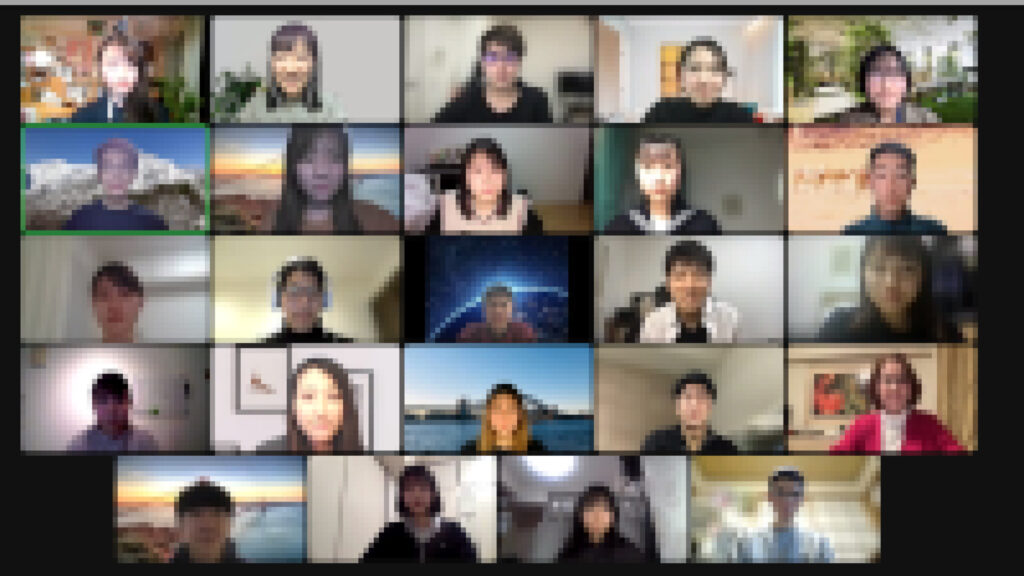
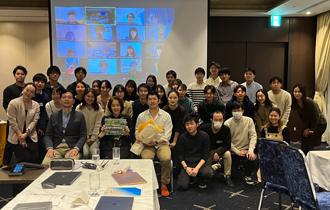
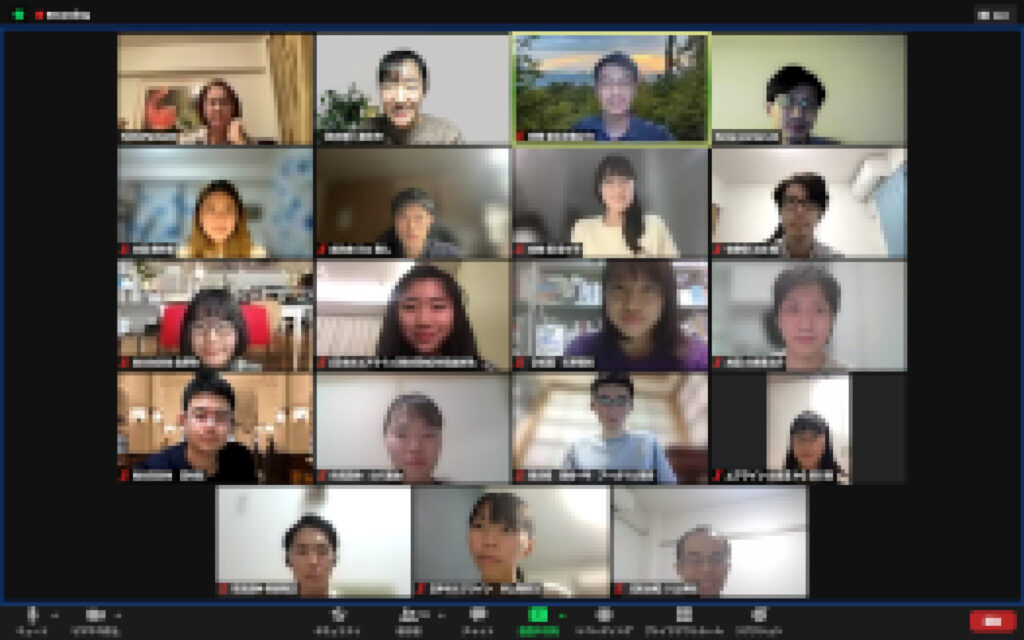
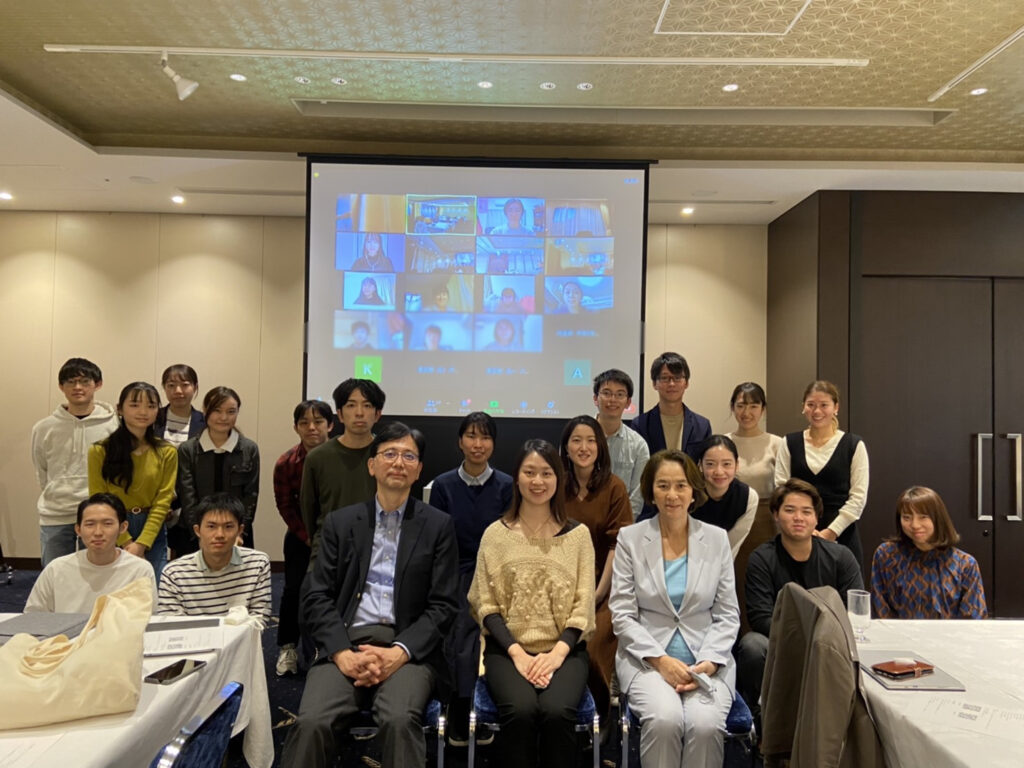
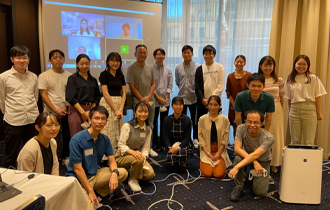
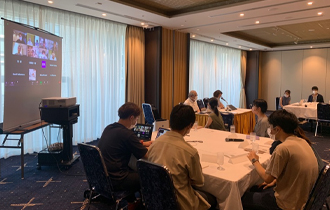
This forum was held in a hybrid format with FCCJ, connecting 13 junior and senior high school students from all over Japan via zoom as the first time of Project JACK. This was a memorable event for KIP, which has been placing importance on intergenerational exchange from the people of alumni to university students, in that a forum was further expanded by one younger generation. On the theme of “Current Status and Countermeasures for Marine Plastic Pollution,” she shared her awareness of the issue by analyzing data and gave us a systematic explanation of the current and future trends in Japan and abroad, based on the standpoint of the Ministry. Here are some knowledges shared. Firstly, microplastics (fragments of less than 5mm), which pose risks such as damage to tourism and living environment, obstruction of ships, and unresolved bioaccumulation, are mostly emitted from developing countries in Southeast Asia. Also, there are data showing that there is a gap between the amount of microplastics and the amount consumed in each country. Secondary, the types of artifacts that wash up on Japanese shores in number-base and weight-base. Further, we checked current international conventions being promoted by the Ministry of the Environment, and confirmation of domestic policies. Based on these speeches, we had a valuable question and answer session focusing mainly on the views and measures taken by the Ministry of the Environment for each issue. In the case of the marine plastic waste problem, if we consider the effect based on the amount of emission, the most important thing is said to be supporting the infrastructure of developing countries, and in fact it is providing support in both software and hardware. They may be insights on structural issues that seem to be common to all international issues.
【Group discussion and grand discussion】
In the same environmental issue, the discussion turned to the two pillars of environmental pollution and global warming (climate change), and which position Japan should take on the future of meat eating: 1) promoting innovation, 2) promoting regulation, or 3) disseminating information. We discussed, high school students too giving views like the influence of government regulations on the Japanese people’s tendency to “follow the law”. The discussion was deepened between position (1) and position (3) with the following comments: “the priority is to develop tasty meat alternatives that taste better” and “there is a limit of behavioral change that can be achieved only by sharing idealistic theories through information dissemination” by position (1), and “the private sector should foster the use of alternative meat to ensure the smooth introduction of policies or technologies” and “it will take time for the issue to penetrate society because it is not only a simple carbon dioxide issue but also a complex issue related to the livestock industry” by position (3). However, there is room for discussion on innovations that do not bother animal meat consuming or that provide protein sources in other wat rather than alternative meat. The instinct to eat animal meat and the history of humanity’s eating of animal meat was also mentioned as a point of view.
This was the first time for some students to participate in this event, as well as Junior and Senior high school students. Some common feedback from them were on the depth of knowledge of alumni’s and KIP members’ major, the many new perspectives they could gain by exchanging opinions with the generation that is much older than them, and the difficulty of verbalizing their opinions and questions. We reconfirmed our stance that we value learning from the perspectives of older and younger generations.
【What I thought through the Forum】
I was reminded of the many perspectives (feasibility, effectiveness, and so on) that need to be taken into consideration when implementing environmental measures while protecting the inevitable aspects of the survival of various industries with a large “environmental impact. I especially benefited from the perspectives that I had been missing, such as the clarification of the subject and target of information transmission, and the difference between long-term and immediate policies. In addition, we were able to listen to the voices of junior and senior high school students in the discussion about “the room for educational reform”, and I felt the real pleasure of discovering myself by others, through such intergenerational exchanges and interactions. I’m afraid it contains my personal views on the direction of room for educational reform were mixed in, but I realized the importance of opportunities like this forum to “recognize social issues and exchange our own opinions”.
(Mahiro Ebara, the University of Tokyo, Science class 1, 1st year)
October 2021 "How to Consider a Career in the Post-Covid Era - How to Build a Career in an Era with No Right Answer"
【Speech and Discussions】
In this forum, Mr. Furuno gave a lecture on the theme of ” How to Consider a Career in the Post-Covid Era,” using multifaceted data and his own actual experiences, and held three discussions among the participants in between.
At the beginning of his presentation, Mr. Furuno introduced his career history, dividing it into two parts: “Side A,” focusing on his career transition, and “Side B,” focusing on events in his personal life, such as his physical condition, and the resulting change in his values. He then asked the participants about the changes in their values due to the COVID-19 pandemic, saying that people’s views on careers are changing to emphasize “change-responsiveness,” “self-identity,” and “career autonomy.
Followed by an explanation on the purpose of work is greatly influenced by external factors such as the time period and the country’s stage of development, he pointed out that each individual can find the purpose from various angles. In the middle of this topic, he introduced the “parable of the fisherman and the businessman,” which illustrated the contrast between the amount of work (≒ wealth) and the values of personal life. Some participants voiced their opinions that the sense of values regarding the balance between work and private life may change with age and life stage, and that the pros and cons of staying in a comfortable environment may be questioned.
The second half of the lecture was dedicated to examining the purpose of work in concrete terms. Citing research results, Mr. Furuno explained that while money is necessary to a certain extent for happiness, it is not the only factor necessary for the pursuit of happiness. He also showed that people do not feel a great deal of “unhappiness” when they work, but they lose a great deal of happiness when they lose their jobs. In response to this, the participants pointed out that the key to feeling happy at work is clarifying the purpose of work and human relations in the workplace.
In the end, Dr. Furuno introduced a way of looking at work that “labels ‘work’ as a means of pursuing happiness,” and pointed out the importance of preparing the base for one’s own work (staying physically and mentally healthy and having self-determination habits) and securing one’s own place in work in order to realize this.
【What I thought through the Forum】
This forum made me rethink the meaning I give to the act of “working” that I do every day as a member of society. Even if you don’t attach any particular meaning to it, once you graduate from university and get a job, you will automatically repeat the act of “working” every day, but if you have your own “philosophy” about working, the learning and joy you get through your work will definitely increase, and would also increase the possibility of finding your vocation. After I started working, I felt that my philosophy towards “work” was fading away in the midst of my busy life, but I would like to take this opportunity to set aside some time for reflection.
(Alumni Hiroyuki Shimazu)
Mr. Youichi Furuno
After graduating from the University of Tokyo’s Faculty of Engineering in 1987, he joined Recruit Co. Received his MBA from the University of Southern California. In addition to developing business related to career development and participating in the establishment of the NPO Career Counseling Association, he has been engaged in leadership development and career development research at the Works Research Institute. Has been in his current position since 2009.
September 2021 "How the culture and art can survive during the pandemic"
【Speech and Q&A】
First, Mr. Kano spoke about the efforts of the arts and culture sector in the wake of the pandemic, the government’s subsidy policy, and comparisons with other countries. Besides the cancellation of music events and the challenges of online broadcasts, he talked about the serious effects of the travel restrictions on the musical instrument lending business by the foundation. His speech reminded us once again that the pandemic has affected various aspects of the music industry. He also mentioned new initiatives that were launched as a response to the pandemic, with an eye to the future promotion of culture and art.
During the Q&A session, there was a lively exchange of questions from the standpoint of performers and audiences, as well as current issues. In response to the impact on amateur performers, Mr. Kano mentioned that various measures are currently being adopted, and continued to say that it is important to enjoy the performance and to keep doing it in any way possible. When he asked what culture means to Mr. Kano, he said that culture is something that nurtures people and that people nurture culture.
【Group discussion and grand discussion】
The theme of this debate was “Should cultural arts be broadcasted online for free to expand the customer base, or should they be broadcasted online for a fee to ensure scarcity and quality?” In the floor discussion, participants were divided into two opinions: one was that there should be a fee based on the burden of broadcasting and the importance of price to secure the value, and the other was that free distribution should be used both ways as it can be an opportunity to expand the customer base. During the plenary discussion, it was pointed out that it is necessary to think about the issue not only from the perspective of the audience, but also from different standpoints such as that of the performers.
【Opinion】
Having witnessed the various damages on the rehearsals and concerts of the orchestra which I belong to after the pandemic, I was particularly impressed by the Mr. Kano because he was not only pessimistic about the pandemic. He pointed out that the pandemic also had a positive aspect in that it gave music organizations an opportunity to pause, and he stressed the importance of taking a positive view of the universal value of culture and art and continuing to do so. He taught me the importance of looking for new things to do instead of lamenting the current situation.
(Eri Satake, The University of Tokyo, Economics, 3rd year)
Mr. Tamio Kano
Mr. Kano graduated from Tokyo University of Arts. After joining NHK (Nippon Hoso Kyokai), he was seconded to NHK Symphony Orchestra, where he organized the concert programs. Later, he became an executive director. Now he works for Japan Arts Council and dedicates himself to create public subsidy systems for culture and art organizations.
August 2021 "Can the Tokyo 2020 Olympics and Paralympics lead to a fairer and more inclusive society?"
【Speech and Q&A】
In the speech by Ms. Mara, she mentioned “We the 15”, human rights movements which seek to end discriminations against people with disabilities, and talked about diversity. She also mentioned herself includes diversity, so she takes it for granted every single day. However, terms like a human right, equality, diversity and even accessibility have different meanings to different people, so she explained it is important to define what we’re talking about.
We also learned about the legislation for disability. As late as 2014, Japan ratified United Nations Convention on the Rights of Persons with Disabilities, which was adopted in 2006 and entered into force in 2008. This hesitancy in ratifying the Convention was explained in part by Japan’s desire to first update domestic low which was below the standard of the Convention. She noted, however, Japanese law still makes no reference to accessibility as human right. As for disability rights in general, the ultimate goal of disability right is to promote effective participation of all members of society on an equal basis with others. Then, she explained accessibility is the availability of smooth access to social infrastructure, facilities, equipment, products, and services for people of all ages and all abilities.
Mentioning Tokyo 2020 access guideline, she explained that we should pay attention to social contexts. For example, we should look at whether universal designs in the public facilities like the national stadium in Tokyo for Tokyo 2020 will be passed on to the other, more local sports facilities. In addition, we should also look at whether the shift towards universal access in transportation will be truly transformative outside of the Olympics and Paralympics bubble.
We also learned how attitudes towards disability change once the Paralympics have taken place and how important shifting people’s mindset is from the episode of Kuniko Obinata. Related to it, she explained that there are still tangible and intangible barriers in society and that’s why it’s important to go beneath the surface.
During the Q&A session, there were questions about how to think of people with disability from the point of social level and individual level such as “What is important in order not to show elitism and ableism in Paralympics?” “The reason why we separate Paralympics and Olympics,” and “How to behave to people with disability.”
【Group discussion and grand discussion】
The theme of the discussion was “Whether the Tokyo 2020 Paralympics have contributed to shifting attitudes towards disability in Japan and globally, and what their legacy is in terms of improving universal access infrastructure in Tokyo and beyond.” Some participants argued that it was difficult to judge whether the Tokyo 2020 Paralympics have contributed to shifting attitudes towards disability because Paralympics hadn’t started yet, or while coverage of Paralympics might have been affected by COVID-19 and might have enhanced negative impression, we might be able to pass on messages of Paralympic athletes by combining social media and individual SNS. Ms. Mara commented that while she acknowledged one of the opinions that media was not doing great job, media had too big job to have. In addition, she mentioned SNS had a risk that it can spread information instantly. Through these, I realized I have to think of how to handle information about disability.
【Opinion】
Through this forum I fully felt the actual conditions of attitude toward the disability because I used to turn my eyes away from disability in the back of my mind. The way of thinking of people around Kuniko Obinata before Nagano Winter Paralympics might be like my previous way of thinking. As Ms. Mara referred in the forum, there was no person with disability in this forum, so I don’t know whether we really could do discussion for people with disability. Therefore, I could again realize how important it is to listen to the opinions of people with disability.
(Ryūto Kawaguchi, Tokyo University of Science, Faculty of engineering, 2nd year)
Ms. Mara Budgen
Ms. Mara is half-Italian and half-British with Asian heritage. She holds a Master’s Degree in Development Studies from the University of Cambridge, UK. She is a freelance journalist specialized in sustainable development, Editor-in-Chief of LifeGate.com, and a regular contributor for The Japan Times.
July 2021 "The tide of global health: the change of global health paradigm by COVID-19 "
【Speech and Q&A】
In the lecture by Professor Sakamoto, she explained how the concept of global health was born and have spread on a global scale. Before the outbreak of the COVID-19 pandemic, many of us might think about a refugee camp when we hear “global health.” However, from 1993, the concept that healthcare was an investment target, not a cost, was born, and people have started dealing with medical care from development perspective. After that, the MDGs, which set eight goals to be achieved by 2015, and the SDGs, which set 17 goals to be achieved by 2030, also included goals related to people’s health. In particular, SDGs should show specific target values for a wider variety of illnesses, from infectious diseases such as AIDS and malaria to non-infectious diseases such as ischemic heart disease and stroke, and mental health.
Next, Dr. Sakamoto taught us that the types of players (investors / implementers of measures) dealing with global health is increasing. For instance, UN agencies such as WHO and UNICEF, public-private partnerships such as The Global Fund, bilateral cooperation mainly in the form of assistance to developing countries by developed countries, and independent or private organizations such as Doctors Without Borders or the Bill & Melinda Gates Foundation are global health players. Furthermore, new powers such as China and India are emerging. Professor Sakamoto thinks, in the future, these players of the global health act for not only humane reasons but also economic and political reasons by taking their strengths and weaknesses, and sometimes the balance of interest into account. During the Q & A session, there was questions that considered global health from various perspectives, such as vaccine delivery, data sharing, and innovation in each country’s vaccine in the pandemic of the COVID-19.
【Group discussion and grand discussion】
In this forum, unlike the usual discussion of KIP, a role-playing discussion was held provided by Professor Sakamoto. Participants became on behalf of developed, emerging or developing countries, and developing countries try to acquire vaccine through negotiations with developed and emerging countries to development and supply of infectious diseases that have occurred there. At the end of the discussion, we applied a specific country name and discussed the same theme. Through these, I realized that there are various interests that cannot be centrally talked about in the issue of global health in the actual international community.
【Personal remarks】
Through this forum, I realized that global health is a problem that cannot be talked about in a unified manner, involving the interests of various countries. Now that humankind has faced the importance of health and the difficulty of maintaining it due to the spread of the new coronavirus, I felt that we should recognize this fact and act to achieve global health.
(Hironori Kitano, Keio University, Commerce, 4th year)
Ms. Harumi Sakamoto
Sapporo Medical University School of Medicine the University of Tokyo Graduate School of International Health Policy Department Doctoral Course. After working at St. Luke’s International Hospital (internist), worked at the Ministry of Health, Labor and Welfare. Harvard School of Public Health Master’s degree. Part-time lecturer at the Department of Tropical Studies and International Environment, Tokyo Women’s Medical University.
June 2021 "Japan's Economic Diplomacy"
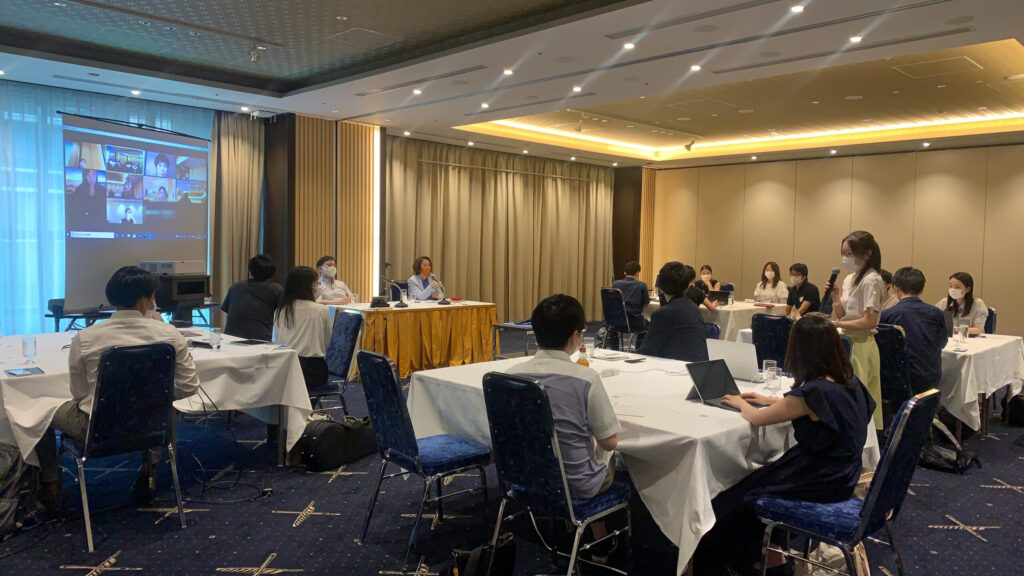
The June forum was held in a hybrid format of face-to-face and online. Mr. Shikata, the current Director General of the Economic Bureau of the Ministry of Foreign Affairs of Japan, talked about the specific details of Prime Minister Suga’s visit to the US and the G7 Summit. The participants discussed in what areas Japan could take the initiative in the G7 in the future, and Mr. Shikata gave his comments.
【Speech and Q&A】
Mr. Shikata began by explaining the “Japan-U.S. Partnership for Competitiveness and Resilience” which was launched between Prime Minister Suga and President Biden during Suga’s visit to the US in April. In terms of competitiveness and innovation in the digital sector, he talked about promoting a secure and open 5G network and protecting and nurturing the supply chain in China’s fast-growing semiconductor sector. In the area of anti-coronary measures, global health, and health security, he gave a detailed explanation of the COVAX Facility, which aims to ensure equitable access and distribution of new coronavirus vaccines to developing countries. In terms of climate change and green energy, he talked about hydrogen energy, which Japan is focusing on, and carbon neutrality, which needs to be addressed globally.
We also learned about the G7 summit held in the UK just a few weeks ago, which provided us with an opportunity to learn about the discussions and agreements that were made under the theme of “Build Back Better”. We were also able to learn about the characteristics and significance of various economic partnership agreements that Japan has signed. Japan is involved in a number of important economic partnership agreements, and his talk on how Japan would like to utilize its position to increase its presence in the international community was also relevant to the discussion theme of the latter half of the session.
During the question-and-answer session, there were many questions from students interested in Japan’s economic diplomacy, and Mr. Shikata answered them in detail. In response to a question about how the Japanese and U.S. governments should respond to China’s rise in the field of semiconductors, Mr. Shikata emphasized the importance of public-private collaboration, saying that most industries grow through innovation by private companies and that a system dependent on government subsidies would limit competitiveness.
【Group discussion and grand discussion】
The theme of the discussion was “Japan’s New Economic Diplomacy Initiative Proposal for the G7 Summit to be hosted by Japan in 2023”. Referring to Mr. Shikata’s speech, the participants were divided into groups of five to share their opinions. There was a lively discussion on what areas Japan can lead the international community and what areas are meaningful for Japan to cooperate with the G7 countries. After sharing the ideas of each group with the whole group, a general discussion was held where questions were asked among the groups. Opinions were expressed from a wide range of fields including health, green energy, and manufacturing. Mr. Shikata commented that it would have been better if the participants had been able to come up with ideas more freely and creatively, which made us all open our eyes.
【Personal remarks】
I learned a lot from the opportunity to discuss this topic right after the G7 Summit. I will continue to be sensitive to news related to Japan’s economic diplomacy and make every effort not to waste what I learned in this forum.
(Misaki Enomoto, The University of Tokyo, Natural Sciences 3, 2nd year)
Mr. Noriyuki Shikata
Mr. Noriyuki Shikata holds a B.A. in Law from Kyoto University and Master in Public Policy (MPP) from Harvard Kennedy School of Government. Most recently, he was at Harvard conducting research on an emerging U.S. policy toward China and the Indo-Pacific. His other prior positions include: Deputy Director General, Asian and Oceanian Affairs Bureau; Director, Economic Treaties Division, International Legal Affairs Bureau; and Director, Second North America Division, North America Bureau; Envoy Extraordinary and Minister Plenipotentiary, Deputy Chief of Mission, Embassy of Japan in China. Mr. Shikata has also been a Visiting Professor at Kyoto University’s Graduate School of Law/Public Policy. He is currently Assistant Minister / Director-General of Economic Affairs Bureau, The Ministry of Foreign Affairs.
May 2021 "Study and work abroad – Experiences in the US, France, British and China (Japanese economic diplomacy)"
For the May Online Forum, we invited Mr. Shikata, working as a diplomat at Ministry of Foreign Affairs of Japan. He is on the board of KIP directors. He explained to us the importance that Japanese people go abroad for study and jobs, based on his overseas experiences. Following the talk, we discussed the theme of “Do Japanese people have to study or work abroad to enhance Japanese economy sustainably?”.
【Presentation】
Mr. Shikata explained to us the importance that Japanese people go abroad, based on his career as a diplomat. Mr. Shikata learned the importance of international communication through his stay in the US during his high school and volunteer activities at the university. These international experiences pushed Mr. Shikata to become a diplomat. After his work in Eastern Asia, Mr. Shikata studied American history at Harvard Kennedy School. He introduced the concept of Japanese Heterogeneity when he explained his job related to Japan-US Trade Friction. He showed us how he had established his career through the British, the US, Middle East, and Japan. At the end of his lecture, Mr. Shikata talked about the merits and demerits of studying abroad. Mr. Shikata gave us a question about what we can find out through overseas experiences while we have online communication tools.
【Q&A session】
Mr. Shikata presented his opinion on the merits of studying abroad in detail. Mr. Shikata told us how important it is to interact with various values and learn to have discussions in international fields. Also, he explained the issues of international affairs related to his talk, represented by global trade issues.
【Group Discussion&Ground Discussion】
In the latter half of the forum, we had a group discussion on the theme “Do Japanese people have to study or work abroad to enhance the sustainability of the Japanese economy?”. Many participants agreed that study abroad is indispensable to train individuals from the viewpoint of human resource development. On the other hand, there was also an opinion that overseas experiences are not necessarily mandatory because it is merely one of the tools for education. Many people agreed that we should clarify the objectives to go abroad for study or jobs, making the stay fruitful. Of course, we have various options to work domestically, but it is also an advantage that we can find out the features of our country and ourselves by going out of our home country. As well as the merit of study abroad, we discussed the importance of establishing social systems that allow people to contribute to the Japanese economy after their study abroad experiences.
【What I thought through the Forum】
Overall, Mr. Shikata encouraged us that study abroad is one of the best investments for ourselves in the long run. If more and more Japanese people study abroad, we can gain competitiveness of Japanese economy in this international society. We would like to sincerely appreciate Mr. Shikata’s kindness in taking time out of his busy schedule to give a powerful message to KIP members.
(Ryotaro Okabe, Tokyo Institute of Technology, Bioengineering, Master 2nd year)
Mr. Noriyuki Shikata
Mr. Noriyuki Shikata holds a B.A. in Law from Kyoto University and Master in Public Policy (MPP) from Harvard Kennedy School of Government. Most recently, he was at Harvard conducting research on an emerging U.S. policy toward China and the Indo-Pacific. His other prior positions include: Deputy Director General, Asian and Oceanian Affairs Bureau; Director, Economic Treaties Division, International Legal Affairs Bureau; and Director, Second North America Division, North America Bureau; Envoy Extraordinary and Minister Plenipotentiary, Deputy Chief of Mission, Embassy of Japan in China. Mr. Shikata has also been a Visiting Professor at Kyoto University’s Graduate School of Law/Public Policy. He is currently Assistant Minister / Director-General of Economic Affairs Bureau, The Ministry of Foreign Affairs.
April 2021 "Mental health implications of the Covid-19 crisis: what next for Japan?"
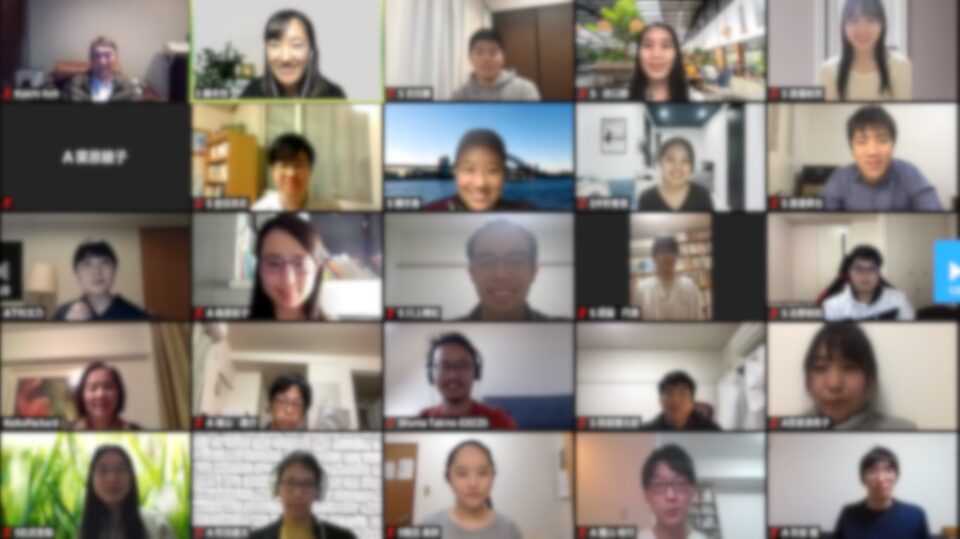
At the April online forum, we welcomed Mr. Takino from the OECD to give a lecture on the impact of the COVID-19 on people’s mental health. Since he was also a lecturer at the forum in November last year, he talked about the facts found in the subsequent research and solutions to deal with the current situation.
【Presentation/ Q&A session】
In Mr. Takino’s presentation, he first shared some basic information about mental health, and then presented the data on the impact of the COVID-19 found in the OECD survey. Mr.Takino then talked about the situation in Japan, including suggestions from the Y7 activities.
First, Mr.Takino explained that mental health problems are not uncommon and that having such problems are not necessarily related to unhappiness in life. In addition, the percentage of people suffering from Anxiety and Depression has increased worldwide due to the COVID-19, especially among low-income people and households with small children, but also among young people and women. Mr.Takino said that measures to address inequality and poverty are closely linked to mental health.
There are three basic concepts to consider when thinking about related policies: prevention, coping, and promotion.
Most of the policies currently being implemented in OECD countries and Japan correspond to the “coping” approach. In response to the current situation where mental health is deteriorating, the policy aims to improve the situation by approaching to the workplace. However, more emphasis is placed on school education in the OECD. As the lockdown has had a profound impact on schooling, completing the educational process without dropping out can help people get better jobs and maintain good mental health.
In Japan, the suicide rate among young people, which had been declining in recent years, has started to rise, and students’ satisfaction with their daily lives is lower than in other countries. In the workplace, stress check tests have been introduced, but they are not as effective as they should be. In addition, it was shared that the number of psychiatric beds is high, which is a problem unique to Japan, and it is difficult for people to return to society.
On the other hand, according to the Y7 questionnaire and the OECD survey, although people in Japan are vaguely aware of the importance of dealing with mental health problems, there is no environment for consultation, and thus the level of awareness itself is still low. In addition, even if they could go to a clinic, most people do not want to go because they are concerned about their surroundings.
Mr. Takino said that it is important to prevent mental health deterioration in advance, to manage the work and work environment in a way that suits everyone in advance, and above all, to be aware of the need to improve mental health.
【Group Discussion&Ground Discussion】
We then moved on to a discussion part. The theme of the discussion was “Why has the mental health crisis emerged under the COVID-19 pandemic among Japanese youth? What can we do as the measures to prevent any negative consequences of increased mental health crisis?” A common thing that emerged from each groups was that there is no environment in Japan where we can confess such problems. It is true that there are counselling services at universities and other institutions, but it is often difficult to find the courage to ask for help, and this is due to the stigma of Japanese society, where confessing to a mental problem can be perceived as “naive.” Therefore, several groups suggested that it is important to create an atmosphere where people have the correct knowledge, understand that it is something that everyone can experience, and feel free to talk about it through social networking sites and education at schools.
【What I thought through the Forum】
Mental health problems are always a part of being human. No matter how easy-going a person may be, he or she is always troubled at some point in their life. But fortunately, most of the participants in this forum are “happy” people who have never had any major problems, and even if they have had problems in the past, they have overcome them. However, according to Mr. Takino, “not having mental health problems does not necessarily mean being happy.” Given this, I felt that this theme posed a very profound question: what is the basis for thinking that we are living happy lives? And now that the COVID-19 has become these issues obvious, I feel that it is very significant to take up this issue as a KIP project over this year.
(Takafumi Kaneda, University of Tokyo, Law, 4rd year)
Mr. Shunta Takino
He was born in Tokyo, Japan. He went to middle and high school in the UK and graduated from Oxford University (Phycology, Politics and Economics) in 2018. After that, he worked for a year at the Asia Pacific Initiative (2018-19), a Japanese think-tank, and from September 2019, he has been working at the Directorate for Employment, Labour and Social Affairs in Paris as a member of the Young Associates Programme. He studied mental health as a junior Counsellor, Directorate for Employment, Labour and Social Affairs.
He is also the leader of the Japanese delegation to this year’s Youth Summit Y7, in charge of the economic track. Her research focuses on how the economy and society can be rebuilt through labour market and youth policies considering the new Corona crisis.
April 2021 "Gathering with G7 Youth Summit Japan Representatives for the 2021 Summit Meeting"
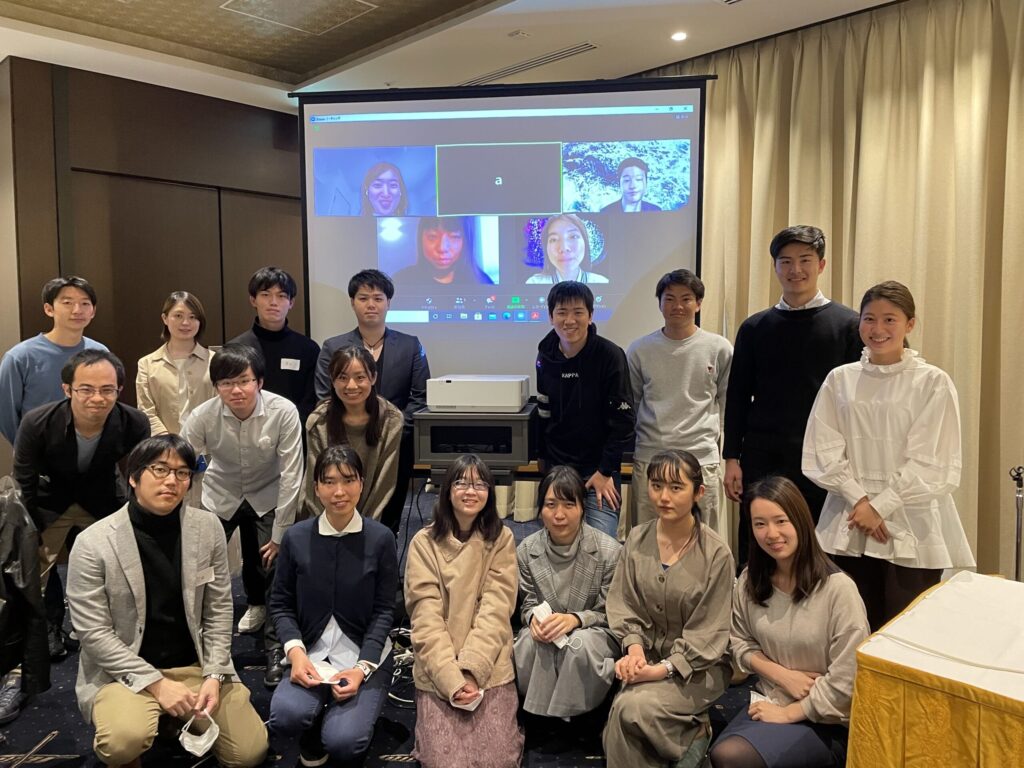
April Forum was held. This time, we invited Mr. Tetsu Watanabe (Y7), Ms. Emiri Morita(Y20) and Ms. Mana Saza to talk about the relationship between environmental issues and young people in the world. After a question-and-answer session and a general discussion on crisis management, resource utilization, and greenhouse gas reduction, we had a debate on the theme of “Should reduce vending machines be reduced in Japan?
【Presentation】
In the first half of the forum, the three speakers gave comprehensive talks on the link between youth and environmental issues in Japan and the world. First, Mr. Watanabe explained what percentage of Japanese youths are interested in environmental issues and what measures they think are effective, based on their questionnaire. Next, Ms. Saza reported on the problem that young people, expected to directly affected by environmental issues, have little presence in determining the directions of the international affairs. This was why the Mock COP26 have engaged in lobbying activities as a solution to this problem. Also, she expressed concerns on Japan’s problems in tackling environmental issues, such as the lack of cooperation with other countries.
【Q&A Session】
We had a fact-finding session on the effects of microplastics on the human body and the concentration and reduction of chemicals absorbed into living organisms, as well as discussions on the instability of renewable energy supplies, whether the environment and the economy are synergistic in terms of costs, and the issue on skepticism about the anthropogenic nature of climate change.
【Group Discussion①&Ground Discussion】
Small group discussions were held based on the knowledge. In our group, we had a discussion as follows: The current problem in Japan is that we are not aware of global environmental issues as our own, and are only slightly concerned about abnormal weather in our country. In order to improve this situation, it is necessary to increase the awareness towards the environment through education, media coverage and public-private partnerships. Also, the government should share a clear vision for solving environmental problems with the public by taking advantage of its strong leadership, and to work closely with businesses by offering them economic incentives and requesting their cooperation. The introduction of an environmental tax and the acceptance of environmental refugees into Japan were also concrete measures to change the mindset of “other people” and contribute to solving global environmental problems.
In the ground discussion, we exchanged our thoughts about the solutions, such as the introduction of a carbon tax, the need to raise the awareness of young people and to spread environmental awareness not only to the central government but also to every people. Lastly, the lectures pointed out that while developed countries such as the G7 are expected to play a central role in implementing these measures, the economic protection of those who are currently engaged in jobs such as fuel mining in developing countries should not be forgotten in carrying out the steps.
【Group Discussion②&Ground Discussion】
In the latter half of the forum, KIP members alone discussed, “Should vending machines be reduced?”. Our group started from how much we use vending machines on a daily basis. After considering the advantages from the company’s side, such as increased marketing opportunities, we tried to weigh them against the disadvantages, such as the large amount of electricity consumed by vending machines, the fact that vending machines are a disincentive to solving the garbage problems and reducing the number of plastic bottles, that they already consume a large amount of resources when they are manufactured, and that the number of vending machines is saturated in urban areas. As a result, we came to the conclusion that we should take measures to differentiate between urban areas, where the disadvantages are more obvious, and rural areas, where the advantages are more obvious. To be more specific, we agreed on drastically reducing the number of vending machines in urban areas, but not so much in rural areas. Considering the solution on how to reduce them, we came up with an idea to set a distance limit between vending machines in the cities.
In the open discussion, we had a heated debate focusing on whether to accept plastic bottles sold in vending machines. A participant proposed to use recyclable aluminum cans instead of plastic bottles. Then we discussed how to carry out the proposal, such as by targeting cities with a large crowd of young people, and promoting the purchase of the cans with the help of influencers. Others also mentioned the raising awareness of CSR and ESG investment on the part of companies.
【What I thought through the Forum】
Through the forum, I realized how little I knew about and was aware of the environment. I also realized that I must not turn my back on the crises that are sure to come in the long run and that are already emerging in other regions, even if I would not be affected by them immediately. In addition, as a group of people who aspire to have a great knowledge of Japan and an international mindset, I strongly recognized the necessity to regard international issues as our own, think of solutions, and try to do our best. In addition, when trying to solve problems, not only environmental problems but also other issues, it is important to understand that even if an issue is solved by a measure, some groups (in the case of environmental problems, fuel resource miners, developing countries with severe economic conditions, etc.) might face new problems in turn. I was reminded once again of the complexity of problem solving, such as the need to carefully consider the practical aspects of who will and how to implement the theoretical solutions. I would like to express my deepest gratitude to Mr. Watanabe, Ms. Saza and Ms. Morita for taking time to interact with KIP members.
(Misuzu Yokota, University of Tokyo, Law, 3rd year)
Mr. Tetsu Watanabe, Ms. Manae Saza, Ms Emiri Morita
Mr. Tetsu Watanabe:Working for a management consulting firm in Japan, supporting companies in sustainability and studying climate change in Asia. In Y7, he is in charge of the Climate Change and Environment track.
Ms. Emiri Morita: A member of Y20 Japan, in charge of the Sustainability, Climate and Energy track, studying in Princeton University, Department of Economics.
Ms. Mana Saza: A global coordinator of Mock COP26, in charge of managing the 51 countries in Asia and the global conference of Mock COP26 to discuss climate change.
This forum proceeded differently than usual. In the former half, we talked with the speakers, and in the latter half, we KIP members alone had a discussion.